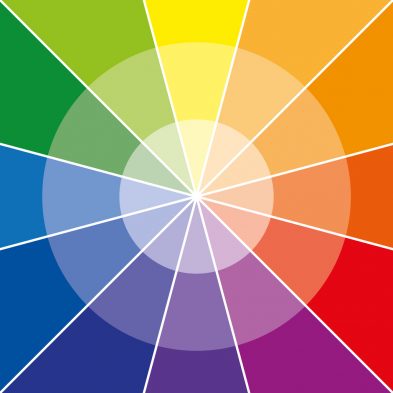

Colour Wheel
A Color Wheel Course for Makeup focuses on teaching makeup artists and enthusiasts how to use color theory to enhance their makeup skills.
1. Introduction to Color Theory
- Basics of the Color Wheel: Understanding the primary, secondary, and tertiary colors. Learning how colors are created and how they interact.
- Color Harmony: How to use complementary, analogous, triadic, and split-complementary color schemes in makeup.
2. Applying Color Theory to Makeup
Skin Tone and Undertones
- Matching Foundation: How to choose the right foundation shade based on undertones and how to correct mismatches.
- Concealing and Correcting: Using color theory to neutralize discolorations (e.g., green concealer for redness, peach concealer for dark circles).
Eyeshadow and Eyeliner
- Color Selection: Choosing eyeshadow colors based on eye color and desired effects. For example, using warm tones to complement blue eyes.
- Creating Contrast: Using complementary colors to make the eyes stand out.
Blush and Contour
- Blush Application: Selecting blush shades that complement the skin tone and enhance the natural flush.
- Contouring: Understanding how to use contour and highlight colors to define and shape the face effectively.
3. Practical Applications
Makeup Looks
- Day vs. Night Looks: Creating versatile looks using different color schemes for various occasions.
- Thematic Looks: Designing makeup based on specific themes or color palettes (e.g., seasonal trends, fashion color palettes).
Personalizing Makeup
- Custom Color Mixing: Learning how to mix colors to create custom shades for unique looks.
- Enhancing Natural Features: Using colors to enhance or downplay specific facial features.
4. Hands-On Practice
- Workshop Sessions: Practical exercises where participants apply what they’ve learned using models or practice faces.
- Color Matching Challenges: Tasks involving selecting and blending colors based on given scenarios or client needs.
5. Advanced Color Techniques
- Creative Uses of Color: Experimenting with unconventional color combinations for artistic or avant-garde looks.
- Color Trends: Staying updated with current color trends in makeup and how to incorporate them into your looks.
6. Course Materials and Resources
- Color Wheel Tools: Using physical or digital color wheels to understand and visualize color relationships.
- Product Recommendations: Information on various makeup products and tools that work well with color theory principles.
Get Professional Help
+91 8431888324